
CKD Body Sub-Assembly Packaging & Container Loading Guide
A standardized 5-step operating procedure that ensures every panel, frame, and accessory arrives at the destination without damage. Steel racks, composite pallets, honeycomb edge protectors, and multi-axis strapping — engineered for zero transit damage.
Packing Preparation
- Confirm cargo variety, quantity, and placement positions according to the packing plan. Identify which items go on each rack and pallet.
- Pre-fabricate steel racks, wooden pallets, blocks, and prepare all strapping materials. Arrange everything on the warehouse floor in loading sequence.
Container layout diagram — 3 rack positions with accessories zones on both sides:
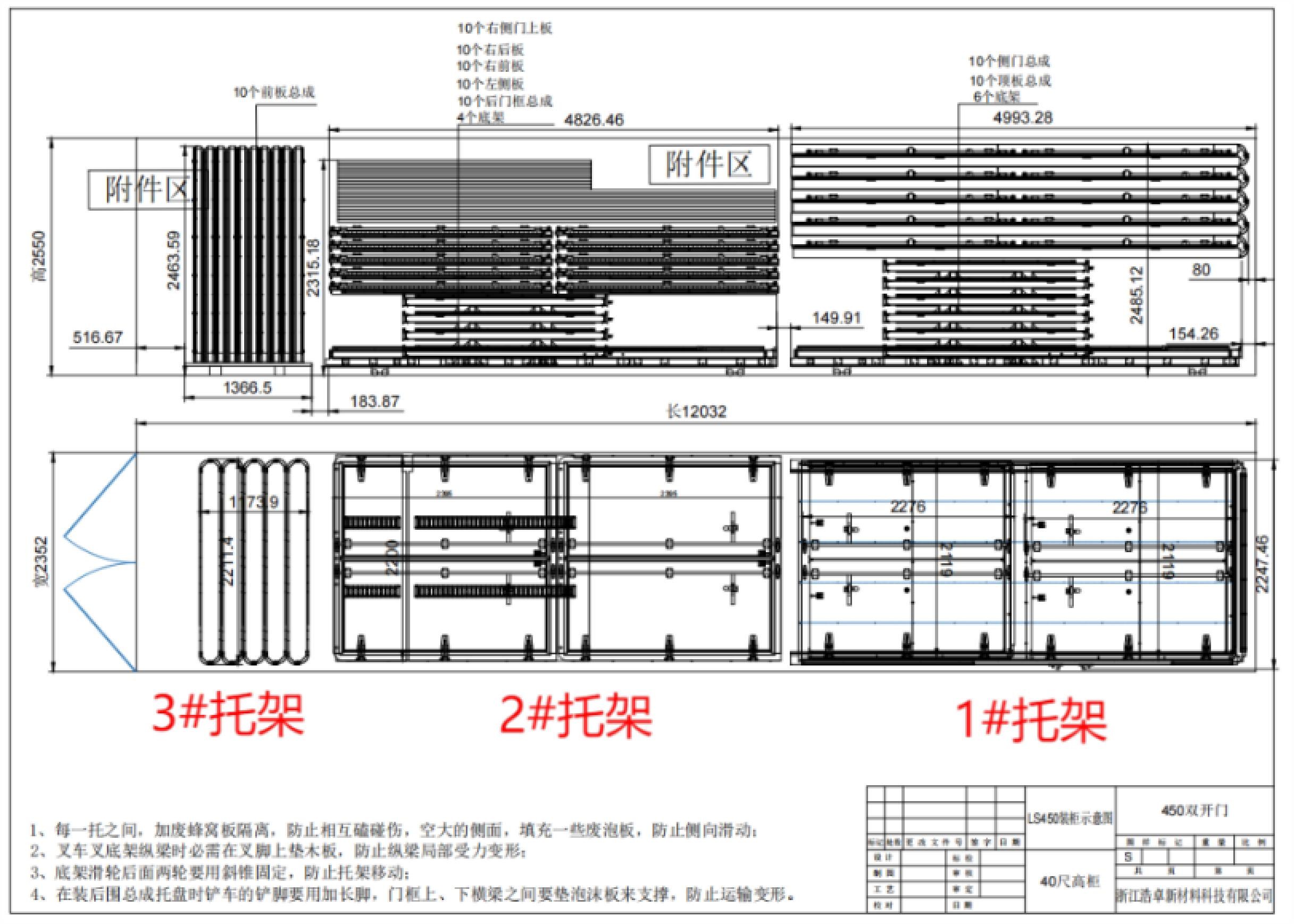
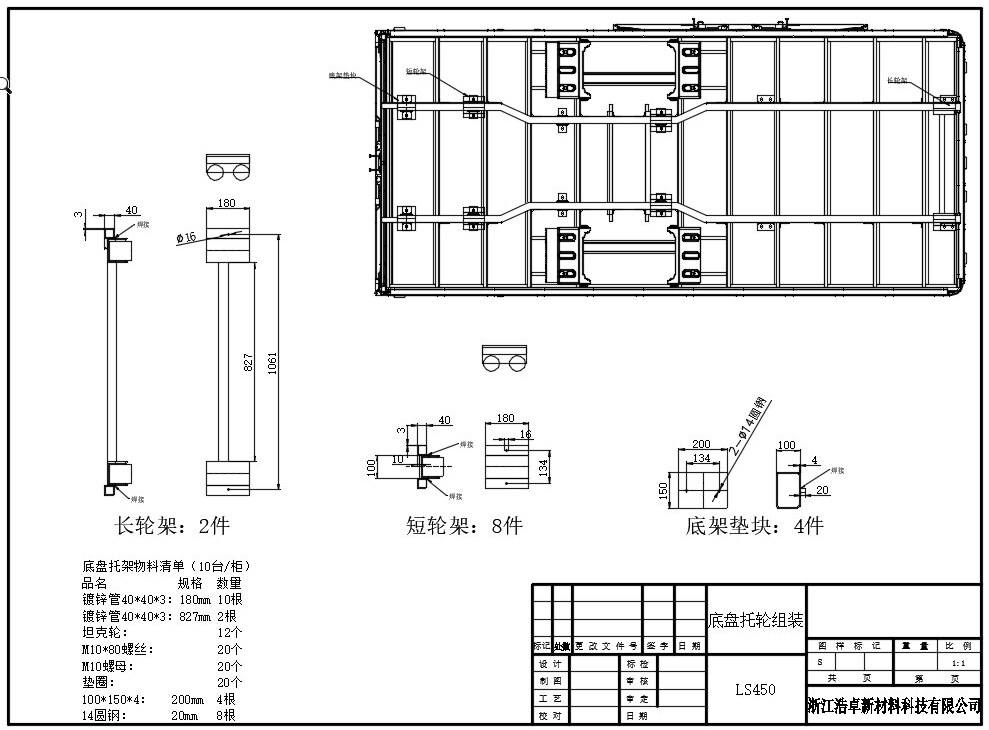
Rack specifications: Long racks × 2, Short racks × 8, Pallet blocks × 4. Total container internal length: 12,032 mm.
Steel Rack Packing Requirements
- Confirm cargo variety and quantity for each rack according to the packing plan.
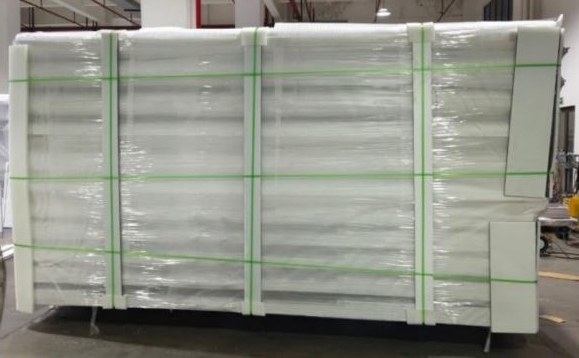
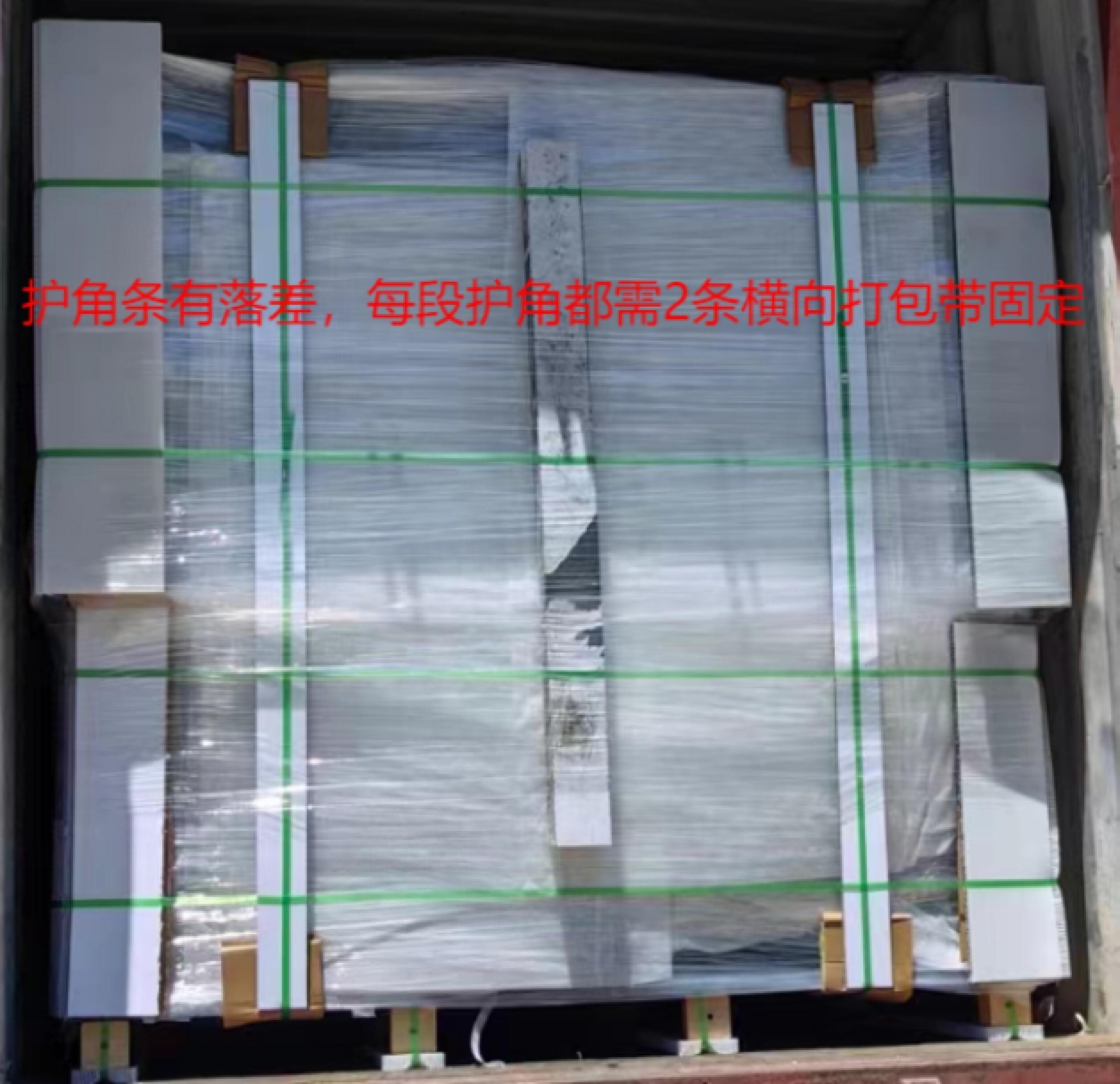
- Wrap each product with EPE pearl cotton foam, then apply stretch film. Add 20 mm PP honeycomb edge protectors on all four corners. Place 3 layers of 20 mm honeycomb board on each side of the rack for lateral protection.
- Strap each loaded rack with 3 horizontal + 3 vertical bands. Attach 2 anti-collision foam strips aligned with the chassis longitudinal beams at the rear.
- When cargo items on a rack have different heights, add 20 mm honeycomb edge protectors at every corner and secure with 2 vertical strapping bands per height section.
- Affix a packing list label on each rack showing package volume, dimensions, and weight.
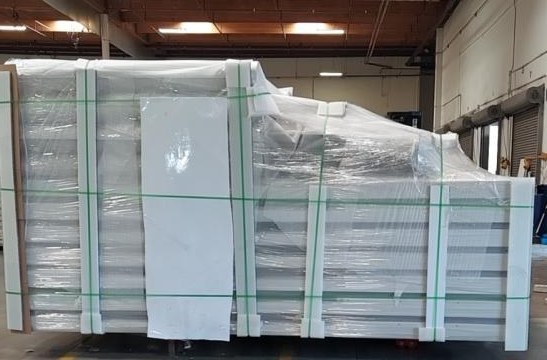
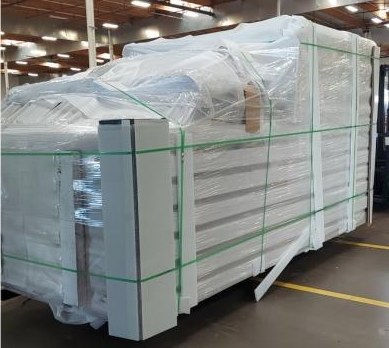
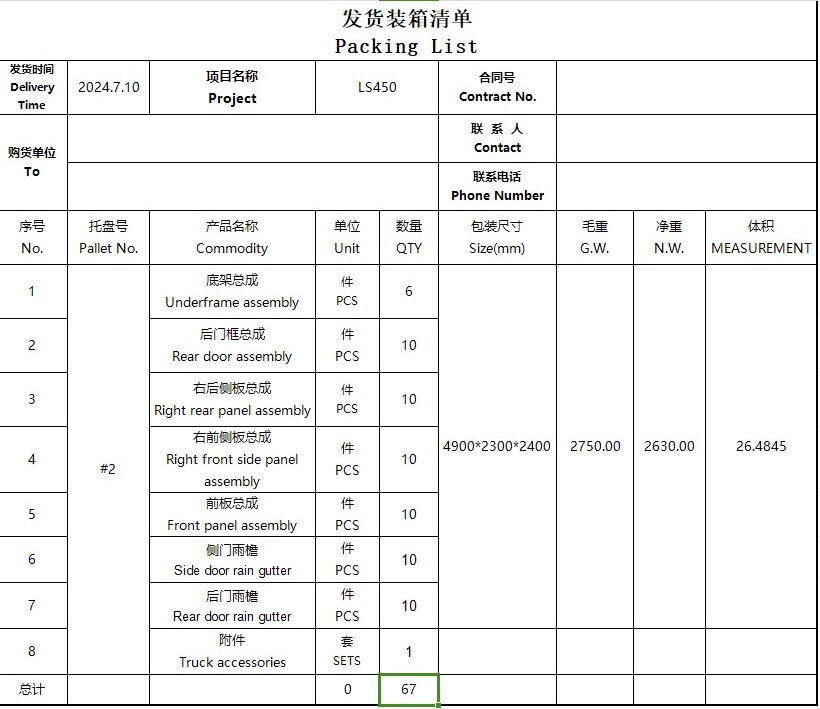
Packing List — LS450 (per container)
| No. | Sub-Assembly | Unit | Qty |
|---|---|---|---|
| 1 | Underframe assembly | PCS | 6 |
| 2 | Rear door assembly | PCS | 10 |
| 3 | Right rear panel assembly | PCS | 10 |
| 4 | Right front side panel assembly | PCS | 10 |
| 5 | Front panel assembly | PCS | 10 |
| 6 | Side door rain gutter | PCS | 10 |
| 7 | Rear door rain gutter | PCS | 10 |
| 8 | Truck accessories | SETS | 1 |
| Total | 87 |
Container dimensions: 6,000 × 2,300 × 2,400 mm · Gross weight: 2,750.00 kg · Net weight: 2,630.00 kg · Volume: 26.4845 m³
Pallet Packing Requirements
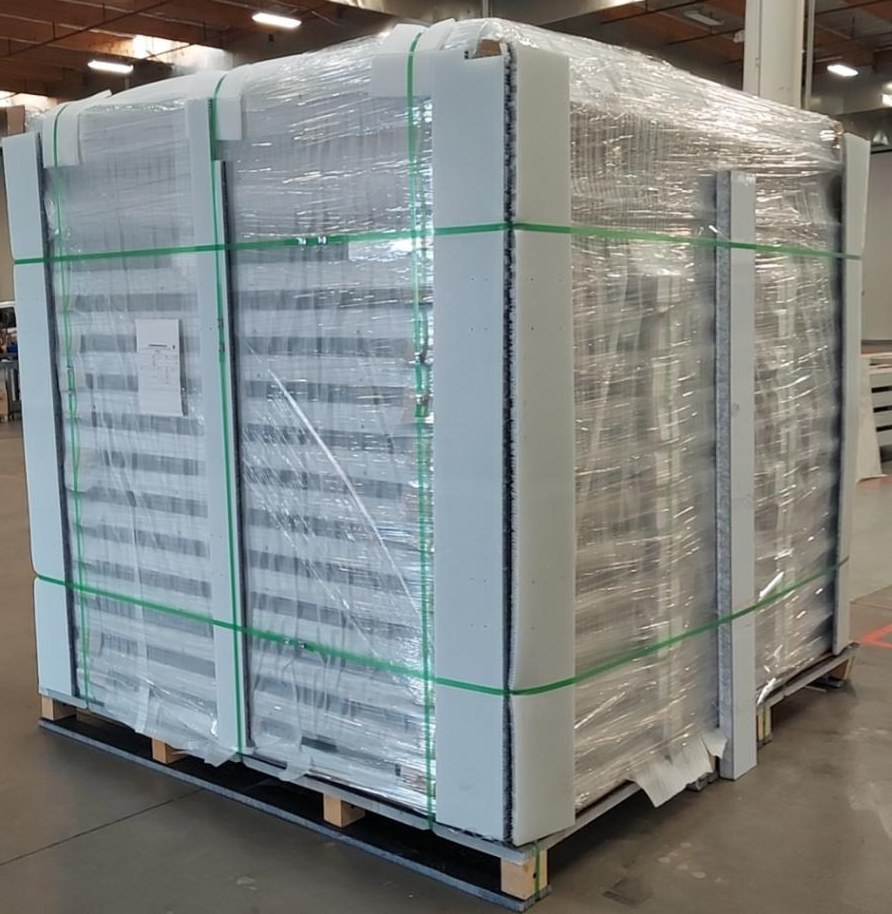
- Add 20 mm to each dimension of the product. Build a 30 mm composite pallet base panel with 16 wooden blocks (95 × 95 × 70 mm) and long composite strips secured underneath with strapping bands.
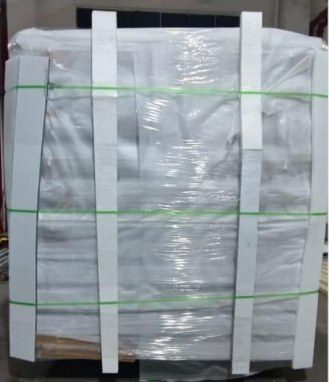
- Wrap cargo corners with paper then add 20 mm honeycomb edge protectors. Place 1 layer of 20 mm honeycomb board on each of the four pallet sides for lateral protection. Wrap the entire unit with EPE pearl cotton foam and stretch film.
- When pallet items differ in size creating edge-protector height gaps, add 2 extra horizontal strapping bands per edge section.
- Affix a packing list label showing package volume, dimensions, and weight.
Container Loading
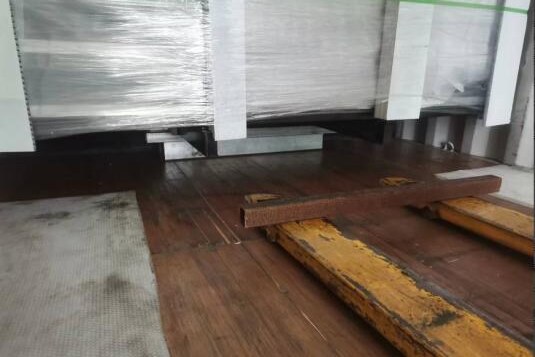
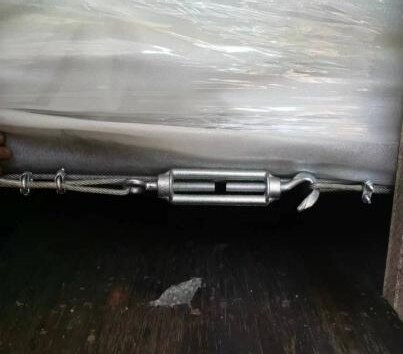
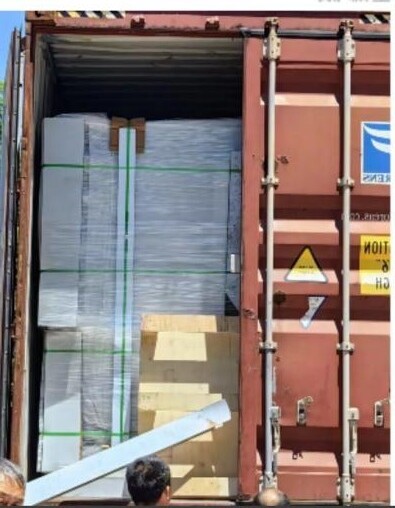
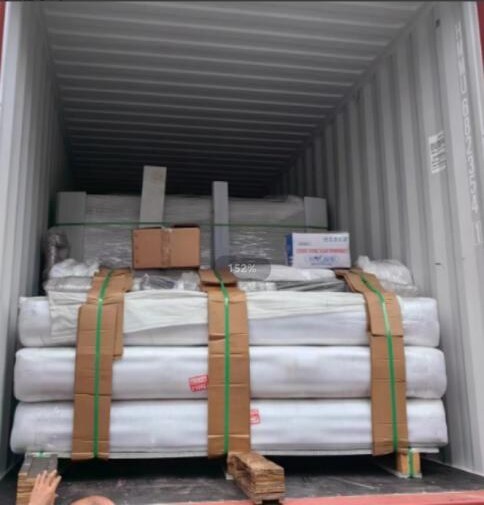
- Rack #1: Position against the container front wall. Use a hydraulic cart to lift the rack base and insert 100 × 150 mm rectangular steel tubes to lock the pallet in place. Secure both sides with 4 mm steel cables, 4 cable clamps, and 1 turnbuckle per side to prevent sliding.
- Rack #2: Push against Rack #1 and secure using the same method.
- Rack #3 + Pallets: Push against Rack #2. Fill the gap between the last pallet and the container rear doors with foam boards and timber.
Sealing & Documentation
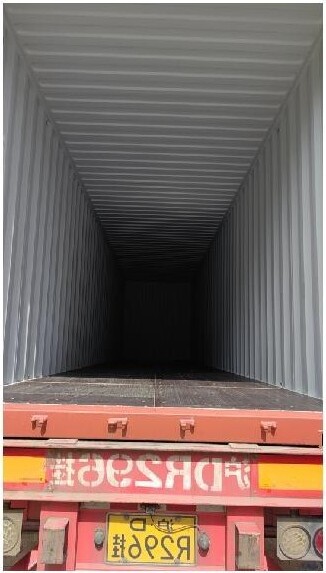
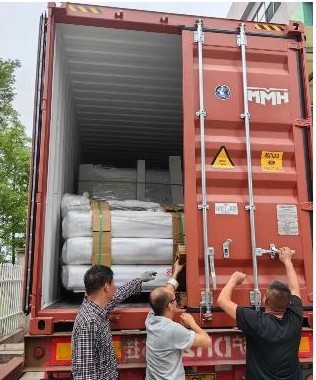
After completing all loading steps, the finished-goods warehouse supervisor applies the company seal and the shipping line seal to the container. Customs seals are handled per customs broker instructions.
A dedicated inspector photographs every loaded unit, verifies cargo specifications, serial numbers, and quantities against the packing list, then signs and archives the loading record. The container is then handed to the truck driver for dispatch.
Frequently Asked Questions
How are CKD body panels protected during ocean shipping?
Every panel is wrapped in EPE pearl cotton foam and stretch film. Corners are reinforced with 20 mm PP honeycomb edge protectors. Panels are strapped onto custom steel racks or composite pallets with 3 horizontal and 3 vertical strapping bands, preventing any movement during transit.
How many CKD body kits fit in one 40ft container?
A standard 40-foot container holds 10 complete CKD body kits (LS450 model). Each kit includes 8 sub-assembly categories: underframe, rear door, right rear panel, right front side panel, front panel, side door rain gutter, rear door rain gutter, and truck accessories — totaling 87 pieces per container.
What CKD models are supported for export?
Standard CKD models include: LS450 double-swing door, LS450 roll-up door, LS400CS double-swing door, and LS300. Custom dimensions and door configurations are available on request.
Ready to order CKD body kits?
Send us your model and quantity requirements — detailed quote within 24 hours.