
COMPOSITE MATERIALS
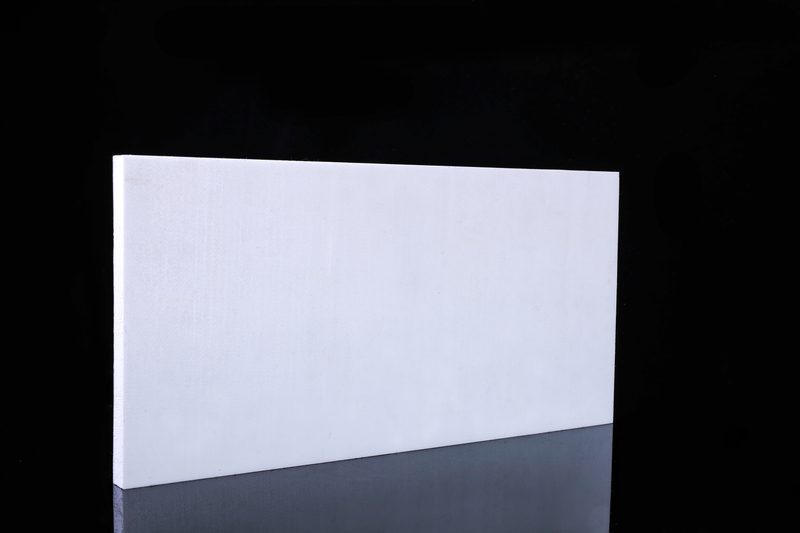
MPP Insulation Panels
Continuous fiber reinforced PP micro-foamed insulation panels using supercritical CO₂ technology. Food-safe for refrigerated truck bodies and cold chain logistics.

Product range — 2 materials
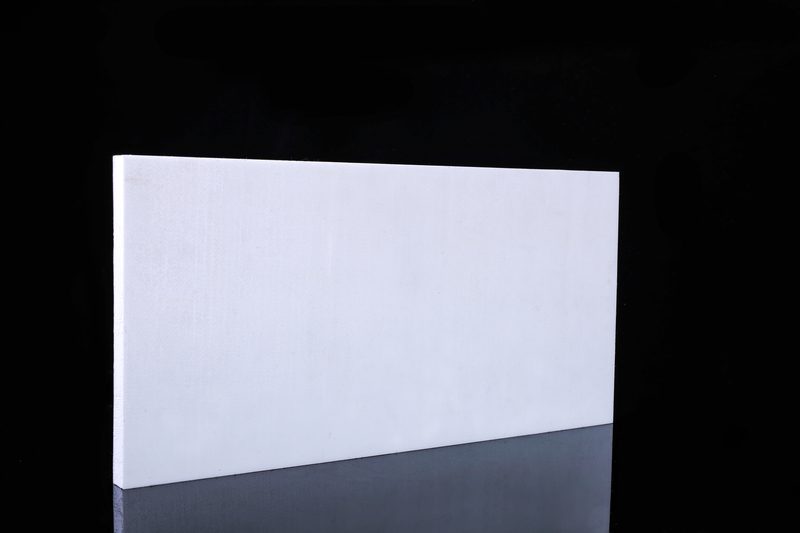
MPP Foam Panel
Micro-foamed polypropylene insulation panel using supercritical CO2 technology. Suitable for food contact.
Applications
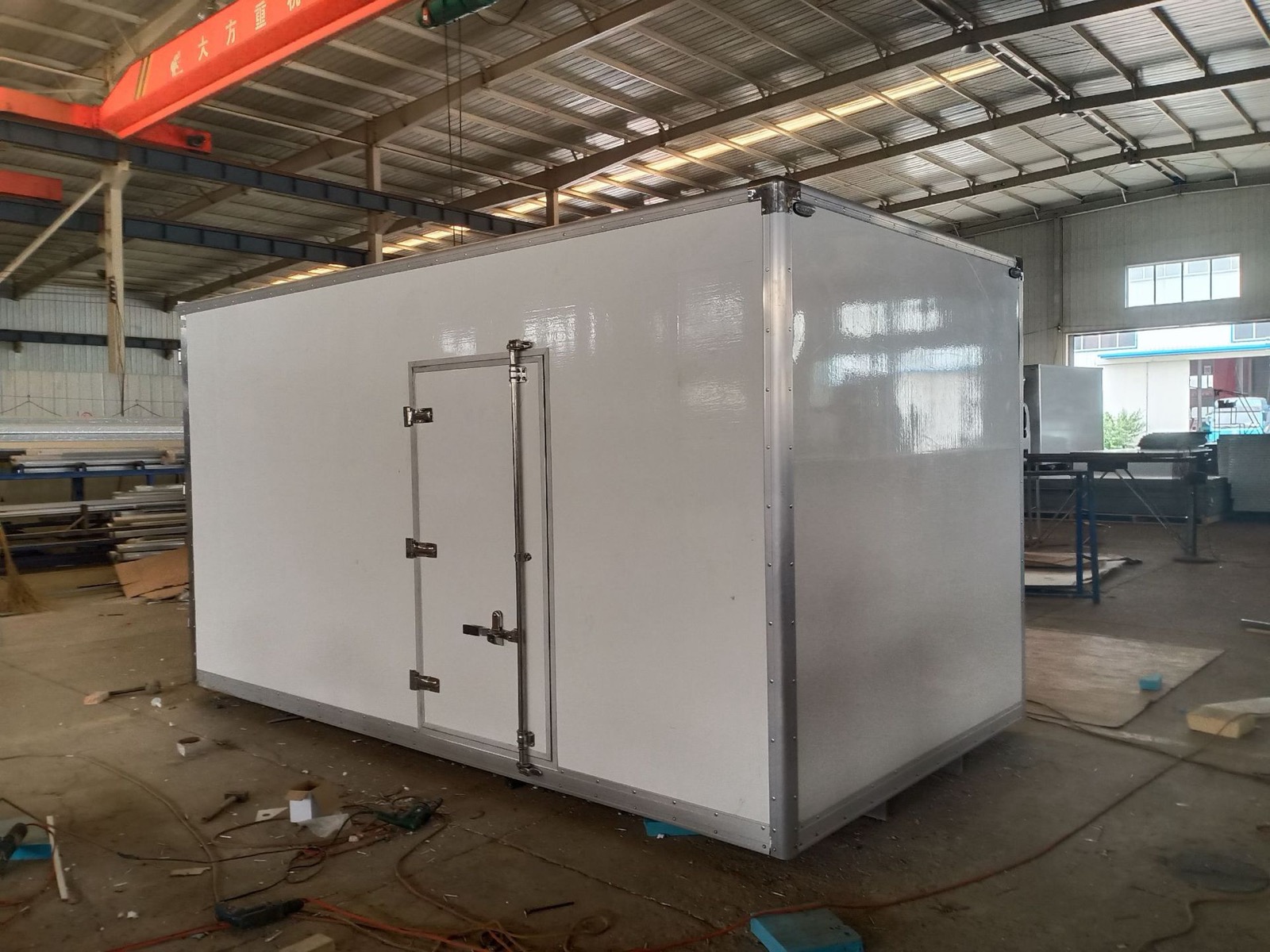
Refrigerated truck bodies, cold-chain logistics and insulated containers
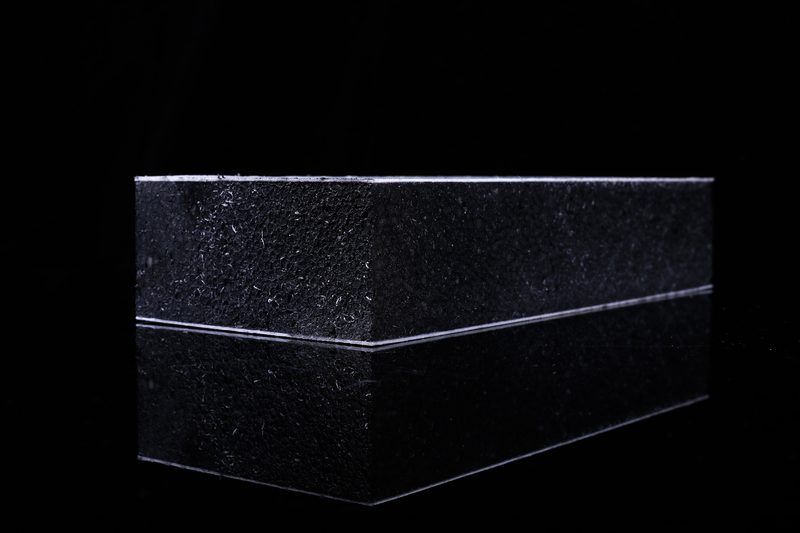
XPS Foam Panel
Extruded polystyrene foam sandwich panel with high thermal insulation and compressive strength.
Applications
Cold storage walls, refrigerated vehicle bodies and building insulation
Structure and material
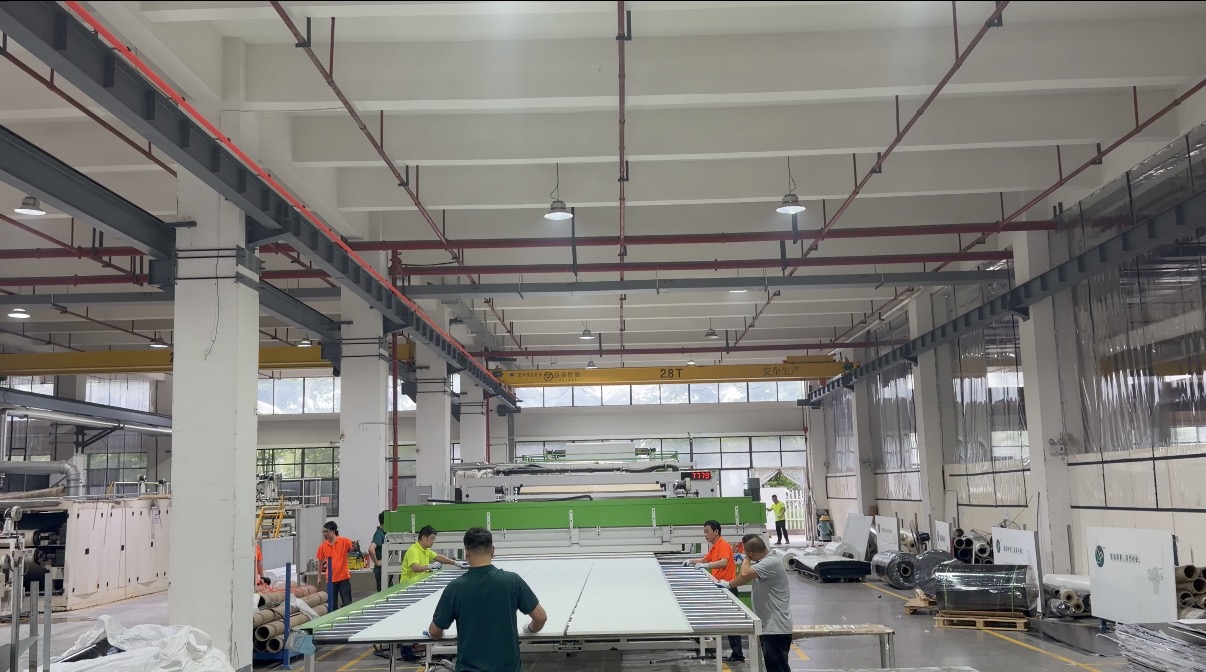
MPP (Micro-foamed Polypropylene) uses supercritical CO₂ technology to create a closed-cell foam structure without chemical blowing agents. The result is a food-safe, lightweight insulation material with thermal performance comparable to polyurethane foam.
Unlike PU foam, MPP panels do not absorb moisture or degrade over time. They maintain insulation efficiency throughout the vehicle's service life and are 100% recyclable at end of life.
Specifications
| Item | Details |
|---|---|
| Base material | Micro-foamed polypropylene with continuous fiber reinforcement |
| Foaming technology | Supercritical CO₂ (no chemical blowing agents) |
| Thermal conductivity | Comparable to PU foam insulation |
| Food safety | Suitable for direct food contact |
| Temperature range | -20°C to +8°C cold chain applications |
| Recyclability | 100% recyclable thermoplastic |
Where it fits
- Refrigerated truck body insulation
- Cold chain logistics vehicles
- Food transport containers
- Pharmaceutical cold chain
- Temperature-controlled storage panels

Manufacturing capability
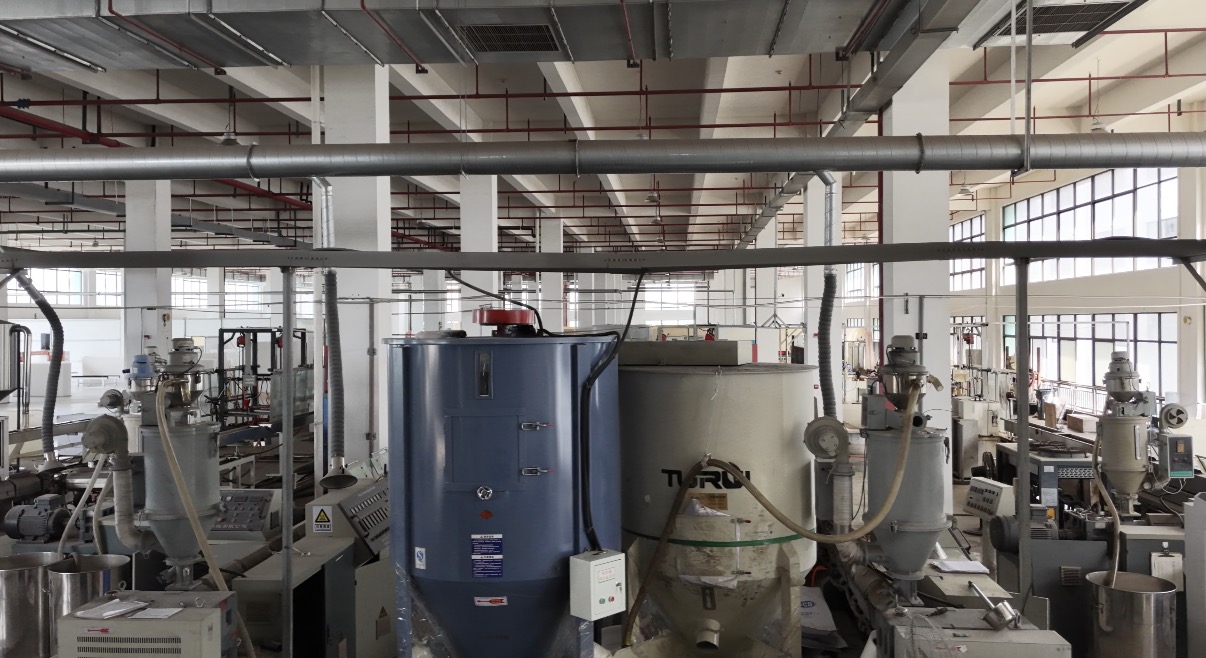
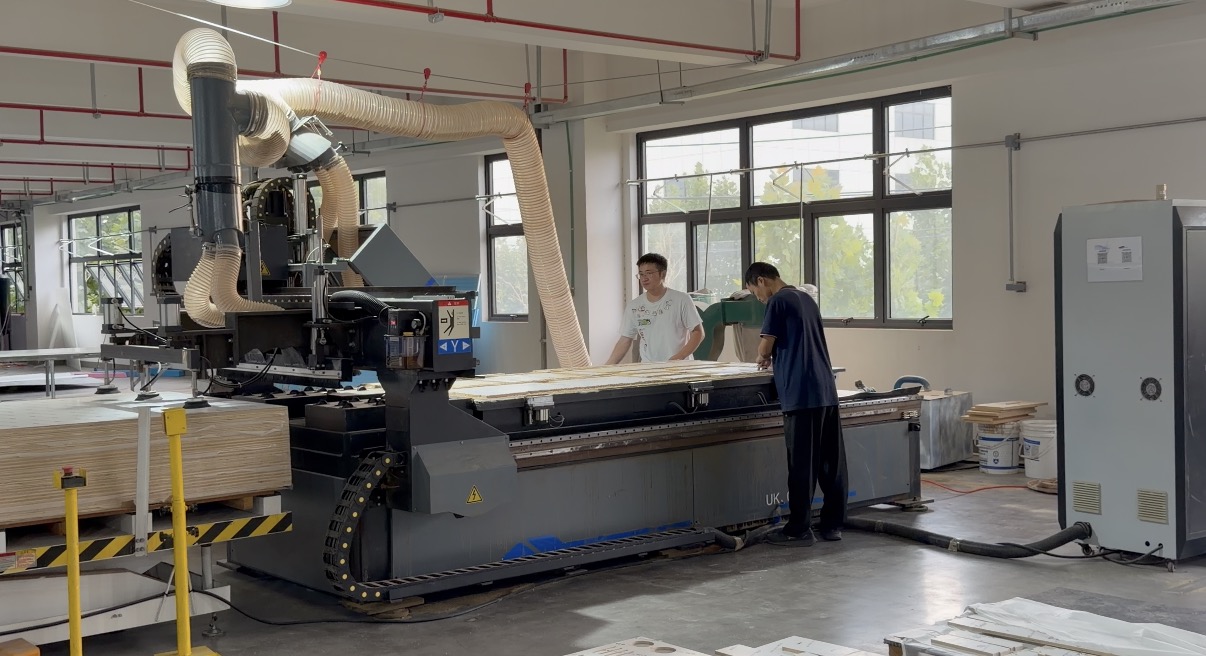
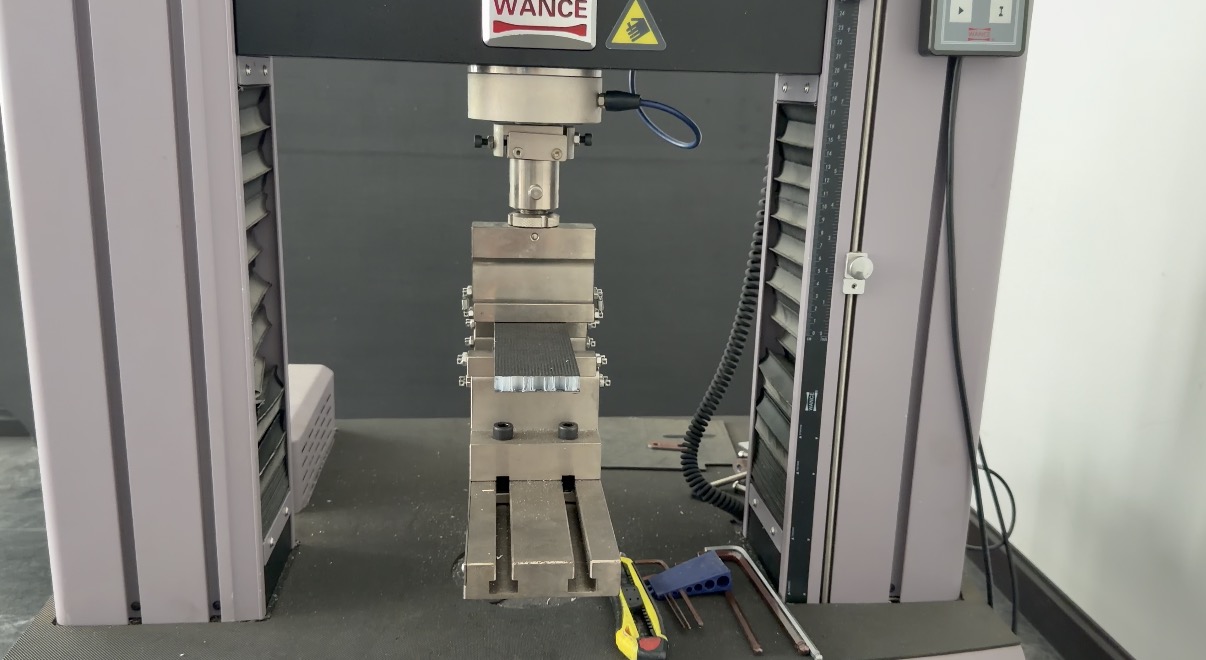
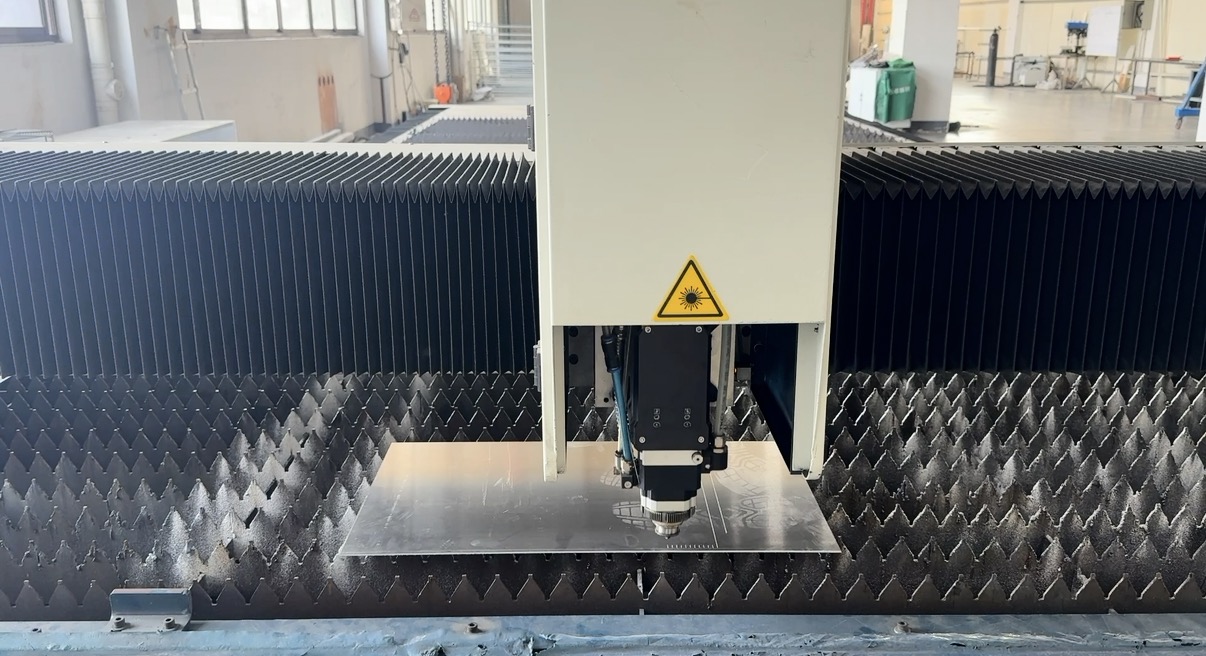
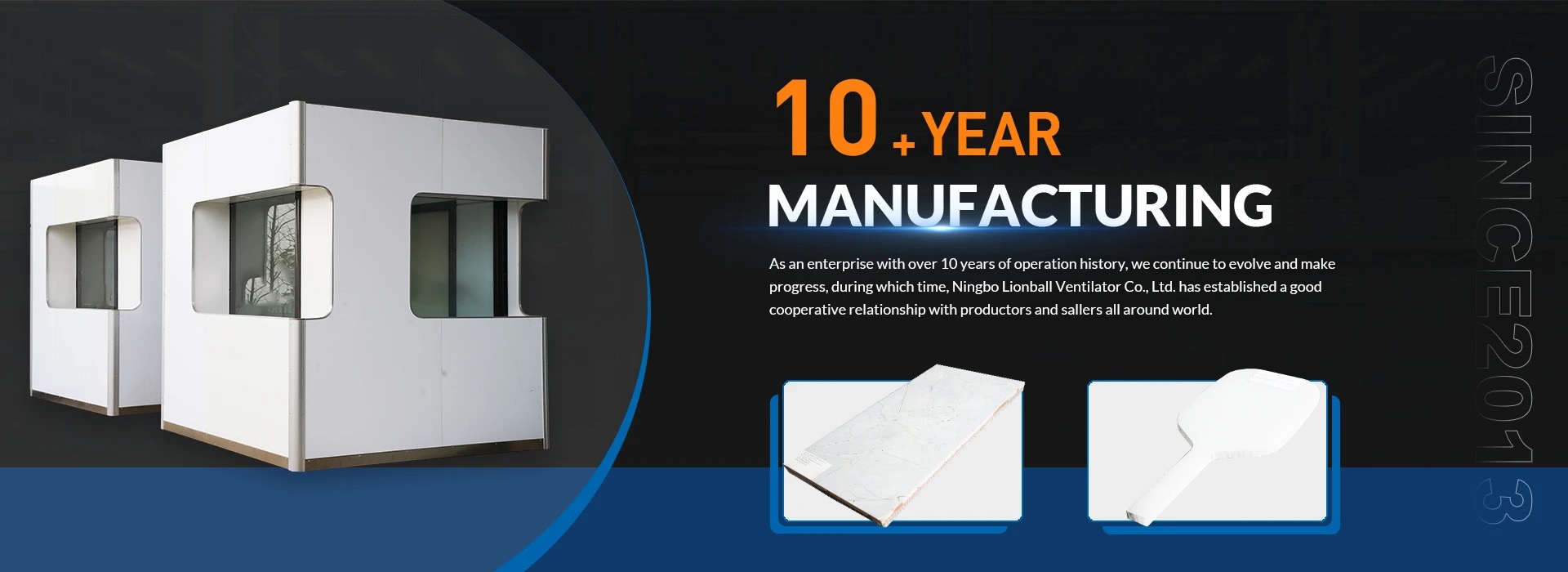
Full manufacturing chain under one roof at our 50,000+ sqm Tongxiang facility. 31 patents, ISO 9001 certified.
Questions before ordering
What temperature range can MPP panels maintain?
MPP insulated bodies are designed for cold chain operations from -20°C to +8°C. Temperature maintenance depends on refrigeration unit selection, which we can help specify.
What makes MPP different from polyurethane foam?
MPP uses supercritical CO₂ to create closed-cell foam without chemical blowing agents. It is food-safe, fully recyclable, lighter than PU foam, and does not absorb moisture or degrade over time.
Is MPP food-safe?
Yes. MPP panels are food-safe for direct contact with food products, suitable for fresh produce, dairy, meat, and pharmaceutical cold chain transport.