Quick Answer
Fiberglass cloth and tape are woven reinforcement fabrics made from glass fiber filaments. E-glass is the standard grade (95% of the market), available in weights from 25 g/m² to 1,000+ g/m². Fiberglass cloth comes in rolls 1-2m wide for laminating large surfaces; fiberglass tape comes in narrow strips (25-300mm) for wrapping pipes, reinforcing joints, and edge-banding. The right choice depends on your application: composite lamination, electrical insulation, thermal protection, or structural reinforcement.
What Is Fiberglass Cloth?
Fiberglass cloth (also called fiberglass fabric or glass fiber cloth) is a textile woven from fine glass filaments. Each filament is 5-25 micrometers in diameter — thinner than a human hair. Hundreds of filaments are bundled into yarns, and the yarns are woven on looms into fabric with specific weave patterns, weights, and widths.
When combined with a resin matrix (polyester, epoxy, or vinyl ester), fiberglass cloth becomes the reinforcement layer in fiber-reinforced plastic (FRP) composites. The glass fibers carry tensile loads while the resin transfers stress between fibers, protects them from the environment, and provides the final surface finish.
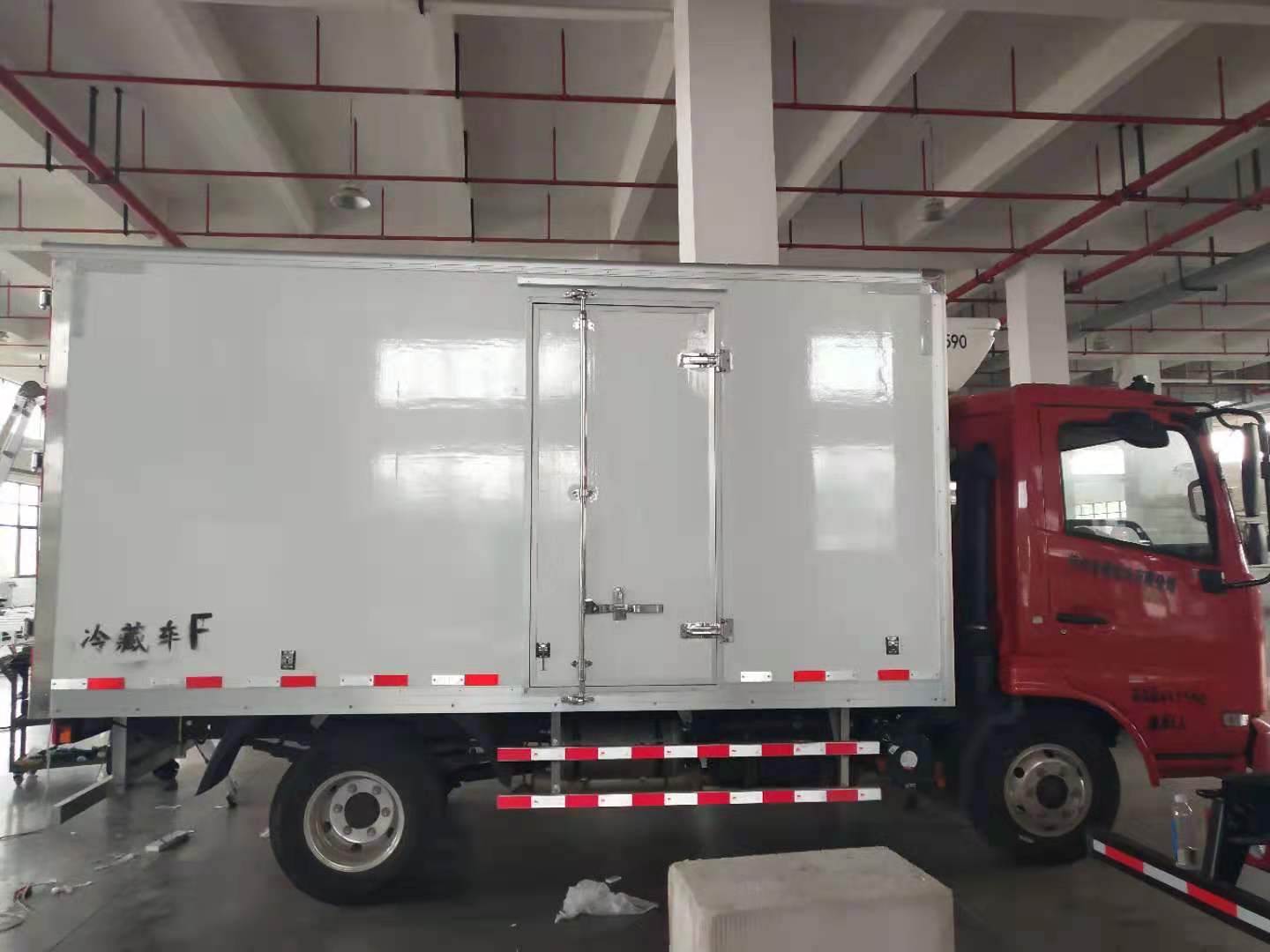
In our panel manufacturing process, we use fiberglass cloth and continuous glass fiber tapes as face sheet reinforcement for PP honeycomb sandwich panels. The glass fiber provides the bending strength while the polypropylene matrix bonds everything together thermally — no chemical adhesives needed.
Glass Fiber Types
| Type | Tensile Strength | Modulus | Temperature | Chemical Resistance | Cost | Market Share |
|---|---|---|---|---|---|---|
| E-Glass | 3,400 MPa | 73 GPa | Up to 550°C | Moderate | $ | ~95% |
| S-Glass | 4,800 MPa | 87 GPa | Up to 650°C | Moderate | $$$ | ~3% |
| C-Glass | 3,300 MPa | 69 GPa | Up to 550°C | Excellent | $$ | ~1% |
| ECR-Glass | 3,600 MPa | 81 GPa | Up to 550°C | Very Good | $$ | ~1% |
Weave Patterns
The weave pattern determines how the fabric drapes (conforms to curved surfaces), its strength distribution, and its surface finish.
| Weave | Drape | Strength Distribution | Surface Finish | Applications |
|---|---|---|---|---|
| Plain Weave | Fair | Equal in warp and weft | Textured | General purpose, flat panels |
| Twill Weave (2x2) | Good | Equal, slightly higher than plain | Smooth | Curved parts, aesthetics |
| Satin Weave (4HS, 8HS) | Excellent | Highest in one direction | Very smooth | Complex shapes, aerospace |
| Unidirectional | Poor | Maximum in one direction | Smooth | Structural beams, targeted reinforcement |
| Woven Roving | Fair | Equal | Rough | Thick buildups, boat hulls |
Fiberglass Cloth Weight Guide
Weight (also called areal density or GSM) determines the thickness and strength contribution of each layer of cloth.
| Weight Range | Thickness per Layer | Typical Use |
|---|---|---|
| 25-50 g/m² | 0.03-0.05mm | Surface veil, cosmetic layer |
| 80-120 g/m² | 0.07-0.12mm | Thin laminates, PCB substrates |
| 160-200 g/m² | 0.15-0.20mm | General composite layup |
| 300-400 g/m² | 0.28-0.40mm | Structural panels, boat hulls |
| 500-800 g/m² | 0.45-0.80mm | Heavy structural, civil engineering |
| 1000+ g/m² | 0.90mm+ | Thick buildups, armor, blast protection |
For our PP honeycomb panel face sheets, we typically use 200-400 g/m² fiberglass cloth. This provides an optimal balance of bending strength, weight, and cost for vehicle body and construction panel applications.
Fiberglass Tape
Fiberglass tape is narrow-width fiberglass fabric, typically 25-300mm wide, supplied in rolls. It is used for:
- Joint reinforcement: Taping over drywall seams, pipe joints, and duct connections
- Pipe wrapping: Thermal insulation and corrosion protection on industrial piping
- Edge banding: Reinforcing cut edges of composite panels
- Electrical insulation: Wrapping motor windings, transformer cores, and cable bundles
- Structural wrapping: CFRP and GFRP wrapping of concrete columns for seismic retrofitting
How to Choose
Step 1: Identify the glass type. E-glass for 95% of applications. S-glass for high-performance structural. C-glass for chemical environments. Step 2: Select the weight. Lighter fabrics (80-200 g/m²) for thin laminates and surface finishes. Medium fabrics (200-400 g/m²) for structural panels. Heavy fabrics (500+ g/m²) for thick buildups and heavy structural. Step 3: Choose the weave. Plain for flat panels and general use. Twill for curved parts. Satin for complex shapes. Unidirectional for targeted reinforcement. Step 4: Determine the width. Full-width cloth (1-2m rolls) for laminating large surfaces. Tape (25-300mm) for wrapping, edge-banding, and joint reinforcement.Fiberglass in Composite Panels
In our manufacturing process, continuous glass fiber rovings are spread into tapes and consolidated with polypropylene resin at 200-220°C to produce CFRT (continuous fiber reinforced thermoplastic) face sheets. These face sheets are then thermally laminated to PP honeycomb cores to create structural sandwich panels.
The glass fiber content in our standard CFRT face sheets is 50-60% by weight, providing flexural moduli of 15-25 GPa — comparable to aluminum sheet at less than half the weight. The thermoplastic matrix allows thermal bonding without adhesives and enables full recyclability.
Frequently Asked Questions
What is the difference between fiberglass cloth and fiberglass mat?
Fiberglass cloth is a woven fabric with a regular pattern of interlaced yarns — it provides directional strength along the warp and weft. Fiberglass mat (chopped strand mat) consists of randomly oriented short fibers held together with a binder — it provides equal strength in all directions but at lower absolute values. Cloth is stronger per unit weight; mat is cheaper and easier to wet out for hand layup.
Can fiberglass cloth be used with thermoplastic resins?
Yes, but it requires different processing than traditional thermoset layup. Thermoplastic resins (PP, PA, PEEK) have higher melt viscosities, so impregnation requires higher temperatures and pressures. At HOTECH, we use continuous melt impregnation to produce CFRT tapes — the glass fiber passes through a molten PP bath at 200-220°C under controlled tension.
How much fiberglass cloth do I need?
Calculate the total surface area to be covered, multiply by the number of layers (typically 2-6 for structural laminates), and add 10-15% for overlaps and waste. For example, a 2 sqm panel with 4 layers of 200 g/m² cloth requires approximately 9 sqm of fabric (2 x 4 x 1.15 waste factor).
What is the shelf life of fiberglass cloth?
Dry fiberglass cloth stored in a cool, dry environment has an indefinite shelf life — glass does not degrade. However, sizing (the coating applied to glass fibers for resin compatibility) may degrade after 2-5 years. For critical applications, use fabric within the manufacturer's recommended shelf life.
Is fiberglass cloth the same as carbon fiber cloth?
No. Fiberglass cloth uses glass fibers (SiO₂-based) while carbon fiber cloth uses carbon fibers (carbonized PAN or pitch). Carbon fiber is 2-3x stiffer, 30% stronger, and 30% lighter than E-glass — but costs 5-10x more. For cost-sensitive applications (construction, vehicles, marine), fiberglass is the standard choice. Carbon fiber is used where maximum stiffness-to-weight ratio justifies the cost.
Related Guides
- FRP Wall Panels: Types, Sizes & Buying Guide
- FRP Composite Panel vs Traditional Materials
- CFRT Panel: Complete Guide
- Sandwich Panel Construction: Core Materials & Bonding
- Thermoplastic vs Thermoset Composites
Source Fiberglass and Composite Panels
We supply fiberglass-reinforced PP honeycomb panels, CFRT face sheets, and custom sandwich panels for vehicle, construction, and industrial applications. Contact us for specifications and pricing.
![PP Honeycomb Panel — Properties, Applications & How It's Made [2026]](/images/products/pp-honeycomb-panel.jpg)